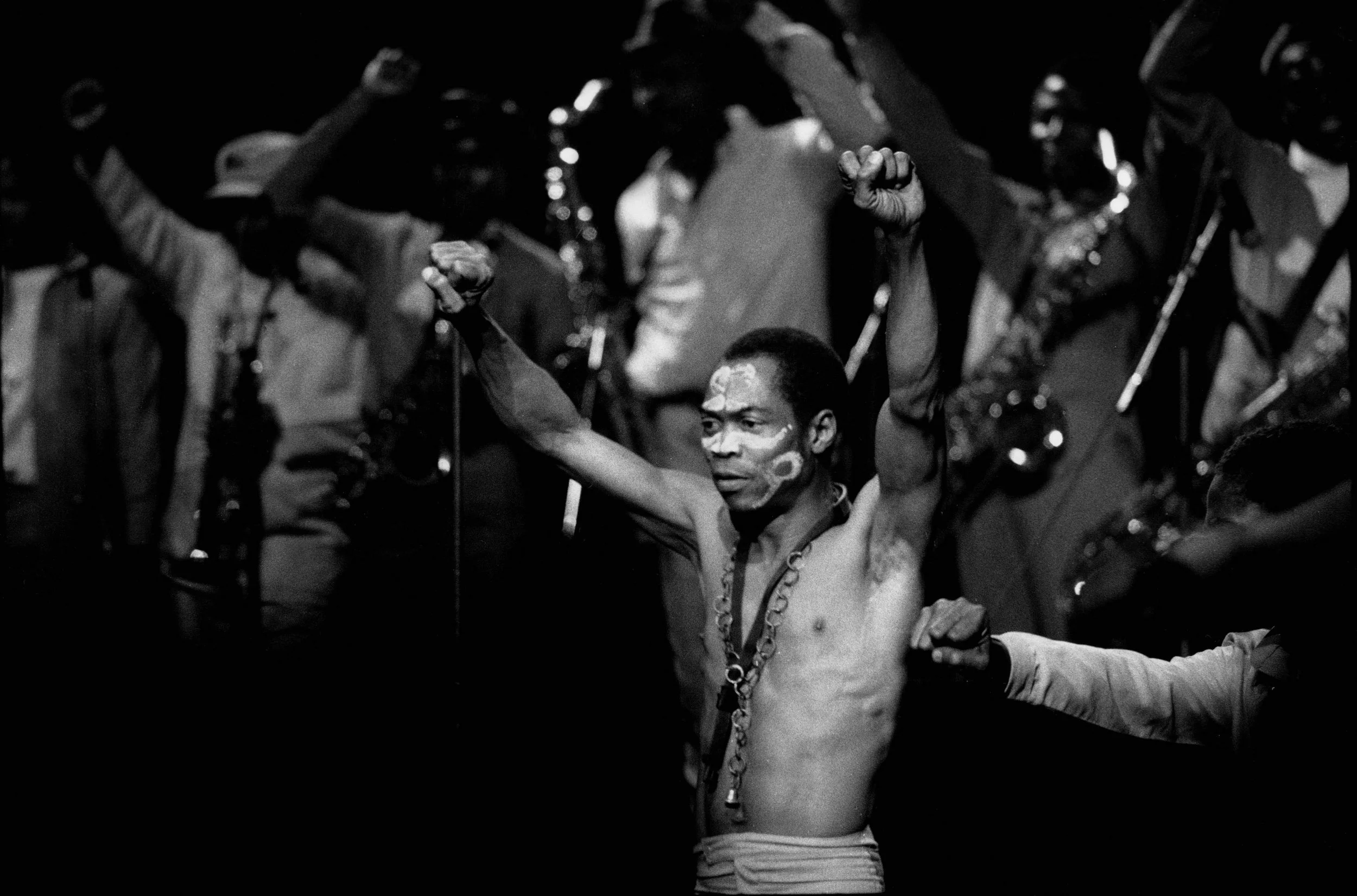
FELA KUTI’S GENTLEMAN: Decolonizing the Wardrobe

On February 7th, Cue the Record hosts listening session 016 in partnership with the Brooklyn Museum held in the Museum's Seydou Keïta: A Tactile Lens exhibition.
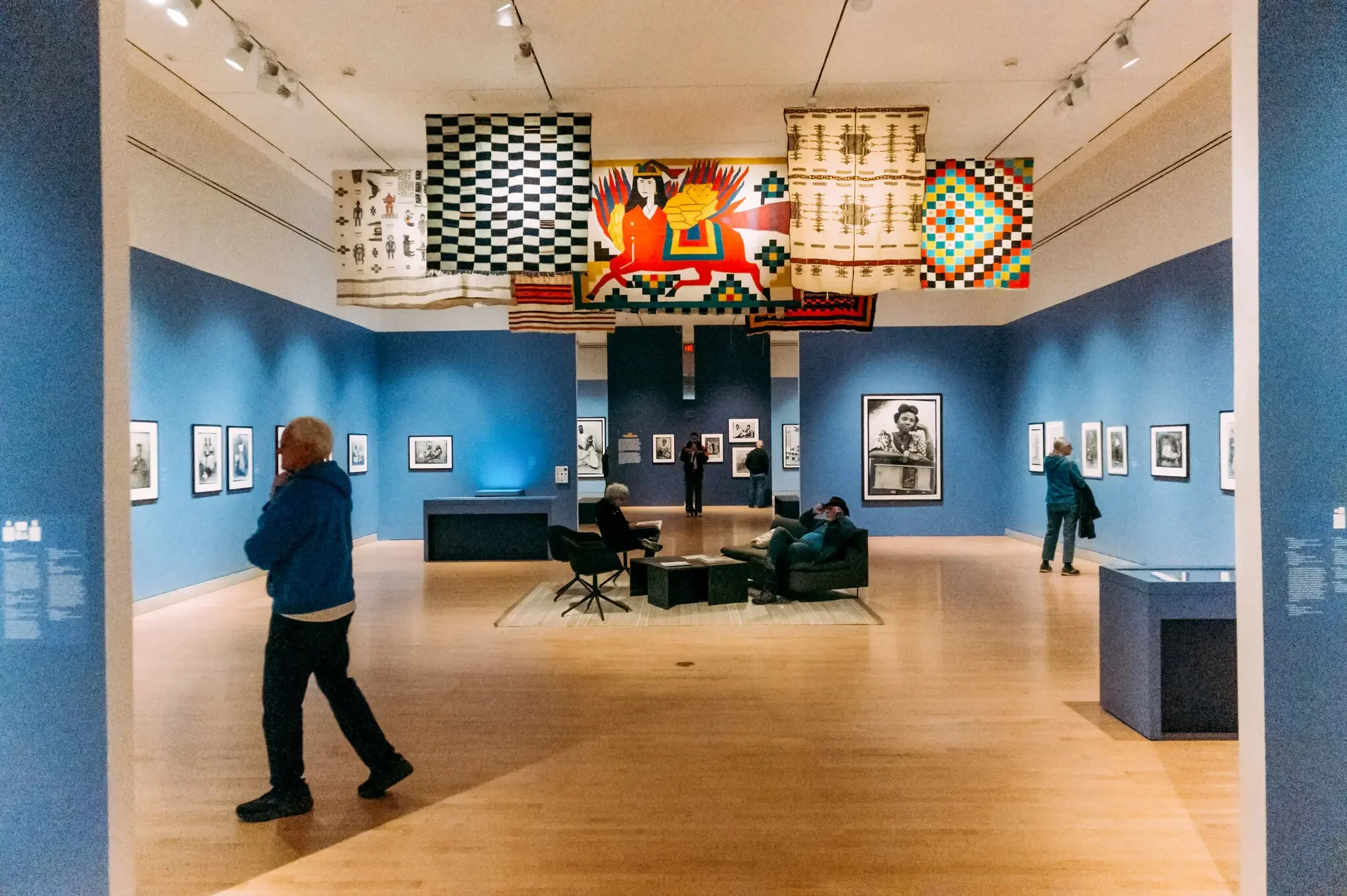
An installation view of “Seydou Keïta: A Tactile Lens” at the Brooklyn Museum, with vibrant textiles similar to those the photographer used as boldly-patterned backdrops for the portraits he took in his studio. DeSean McClinton-Holland for The New York Times

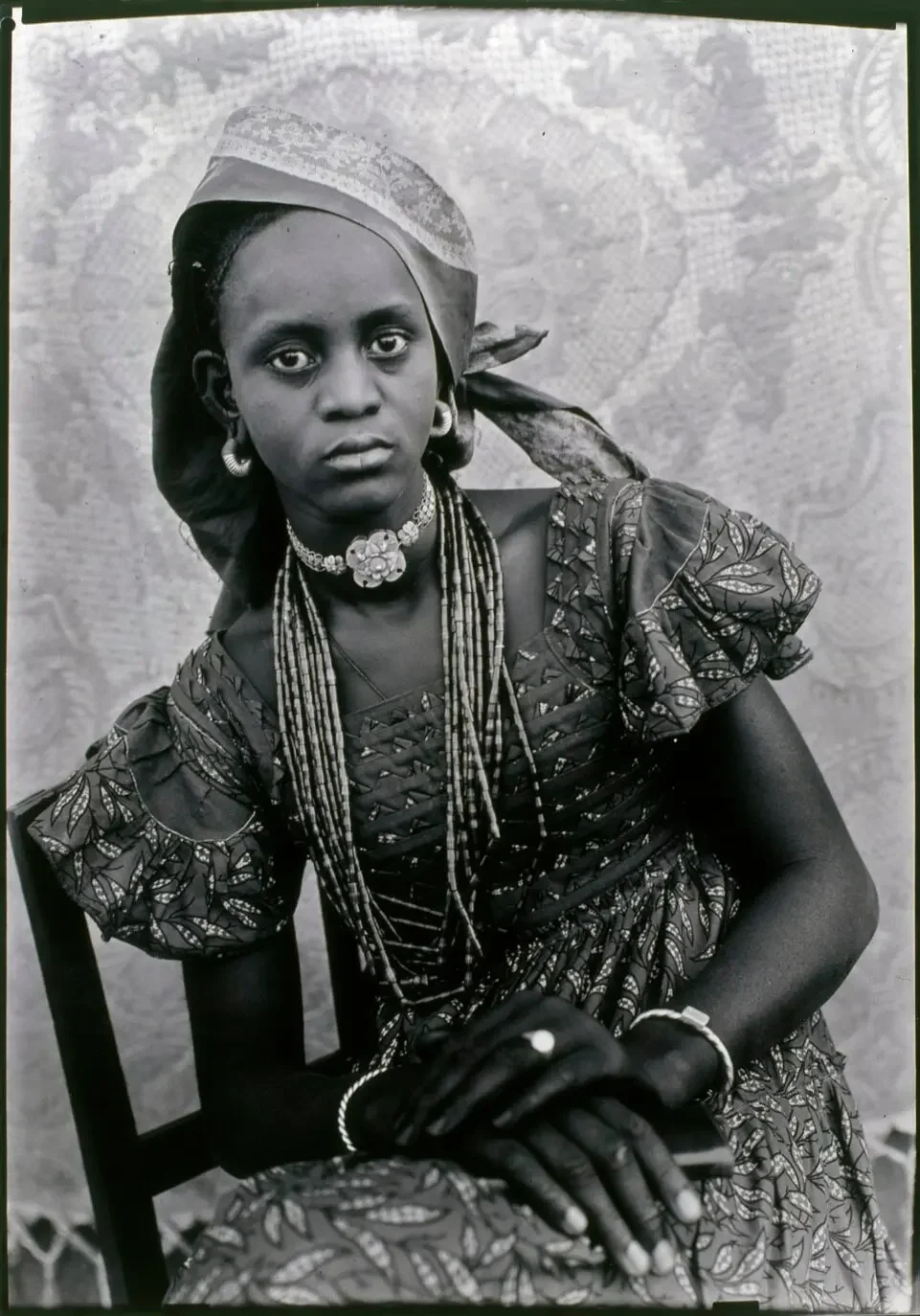
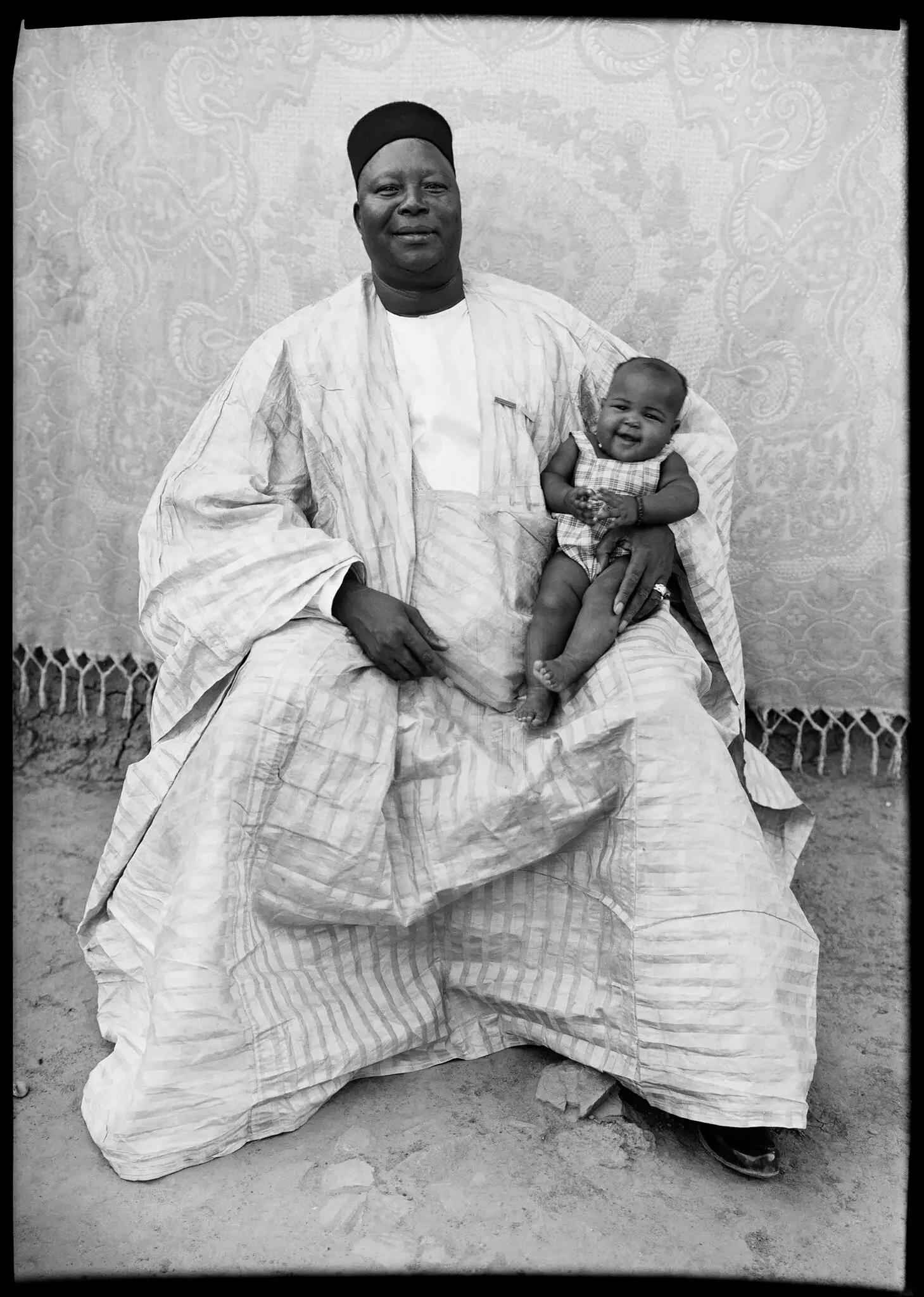
Standing in Seydou Keïta: A Tactile Lens—the most expansive North American exhibition of the Malian photographer's work—you're surrounded by over 280 photographs of people who understood that self-presentation was never neutral. From the late 1940s through the early 1960s, Keïta documented Mali's transition from French colonial rule to independence. His Bamako studio became a stage where people collaborated with him to craft their image: European suits and ties, flowing boubous, patterned dresses, bicycles, radios, carefully chosen backdrops.

Every portrait was intentional. Every choice said something about who they were and who they wanted to become. What you see is aspiration, dignity, modernity—people asserting themselves during decolonization, using Western forms and African traditions on their own terms.

Now consider Fela Kuti's Gentleman, released in 1973 Lagos. The album looks at that exact same cultural moment, that same adoption of European dress, and asks a confrontational question: At what cost?
Gentleman arrived at a particular moment in Nigerian history—the oil boom years when newfound petroleum wealth was enriching a corrupt elite while ordinary citizens remained poor. The Biafran War had just ended, leaving the country traumatized. Military coups had become routine. And everywhere Fela looked, he saw Nigerian elites performing Europeanness: sending children to British schools, speaking English at home, consuming imported goods, looking down on traditional African culture as backward.

The album was Fela's answer. Recorded raw and live at EMI Nigeria studios, it captured the energy of his legendary Shrine performances: extended grooves, biting satire, and the fusion of jazz, funk, and Yoruba rhythms that was becoming Afrobeat. This becaame music for confrontation, designed to make the "gentleman" in the three-piece suit deeply uncomfortable.

Early Life and Formation

Fela Anikulapo Kuti was born in 1938 in Abeokuta, Nigeria, into radical lineage. His father was a reverend and school principal, but his mother Funmilayo Ransome-Kuti was one of Nigeria's most prominent anti-colonial activists and feminists—a leader who challenged both British colonial rule and traditional patriarchy. This upbringing planted the seeds of Fela's later political consciousness.

In 1958, Fela left for London ostensibly to study medicine, but instead enrolled at Trinity College of Music. There he absorbed jazz—Miles Davis, John Coltrane, Art Blakey—while playing highlife music in clubs with other African students. He formed Koola Lobitos, blending highlife with jazz influences, but his sound hadn't yet found its radical edge.

The American Awakening (1969)

The transformation came in 1969. After returning to Nigeria in 1963 following independence, Fela spent years developing his sound, but the real rupture happened during his band's U.S. tour. In Los Angeles, he met Sandra Smith (later Sandra Izsadore), a Black Panther Party member who introduced him to Malcolm X, Eldridge Cleaver, Angela Davis, and Marcus Garvey.

This exposure to Black Power ideology was explosive. Fela read about the systematic oppression of Black people globally, the concept of mental slavery outliving physical slavery, and Pan-Africanism's call for African unity and pride. He realized that Nigeria's 1960 independence was largely superficial—the country remained economically and culturally colonized. The elite still worshipped Western values while exploiting their own people.

This political awakening didn't just influence his lyrics. It merged with his music in a way that would define the rest of his life.

Tracklist

Gentleman

Igbe (Na Shit)

Fe Fe Ne Eye Fe

Total Runtime: 32 minutes

. . .

By the time the final notes of "Fe Fe Ne Eye Fe" fade, something has shifted. His answer to the question of post-colonial identity isn't subtle: strip away the costume, speak the language of the streets, want what you actually want.

But here's what's powerful about experiencing this album in Keïta's exhibition: Fela doesn't get the last word. The photographs don't disappear when the music ends. These faces—dignified, intentional, complex—remain. They don't need Fela's permission or validation. They made their choices in their moment, just as Fela made his in Lagos 1973.

What we're left with isn't a verdict but a practice: the ongoing work of self-definition in a world still shaped by colonial power. Keïta documented it. Fela soundtracked it. We inherit it.

The photographs ask: How do you want to be seen?

The album asks: Who are you trying to please?

Both questions remain urgent. Neither artist gives us the comfort of a single answer. And maybe that's exactly the point—decolonization isn't a destination you arrive at. It's a conversation that never ends and a negotiation you wake up to every day.

Fela found his. The people in these portraits found theirs. The work, as always, is figuring out your own.

 
Mustafa Ali-Smith

Mustafa Ali-Smith is a social justice advocate, organizer, and writer. In all of his work, he centers theories of community building, accountability, transformative justice, and stories of activists and organizers in his approach to driving change within and outside the criminal legal system.

https://mustafaalismith.com
Next
Next

EXTENDED PLAY: 006 Featuring Selector Ross Thompson